
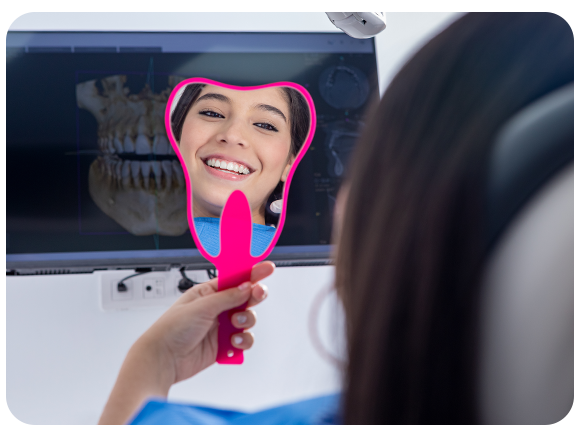
A beautiful smile significantly affects both self-confidence and social interaction. However, achieving a natural, harmonious smile requires more than just technical dental procedures—it demands a personalized approach. With Digital Smile Design (DSD), patients now have the opportunity to preview and co-design their new smile before any treatment begins. At LHC Clinic, we bring aesthetics and technology together to help you achieve the smile of your dreams with precision and confidence.
What is Digital Smile Design, how is it applied, and what are its benefits? We’ve prepared all the details of this cutting-edge aesthetic dentistry approach for you.
Digital Smile Design is an advanced treatment planning system that uses digital tools and software to analyze facial and dental structures. It allows dentists and patients to co-create a customized, natural-looking smile plan before starting the actual procedure. DSD goes beyond just the teeth — it evaluates the smile in harmony with your lips, gums, facial expressions, and overall proportions.🎯 Key Features of DSD
💡 Beyond the Teeth
Digital Smile Design is ideal for individuals who value both aesthetics and precision in dental treatments, including: Your dentist at LHC Clinic will assess your needs and aesthetic goals during a comprehensive consultation and determine whether DSD is the right solution for you.
The DSD process is both visual and interactive, ensuring a personalized approach from start to finish. It includes the following steps:
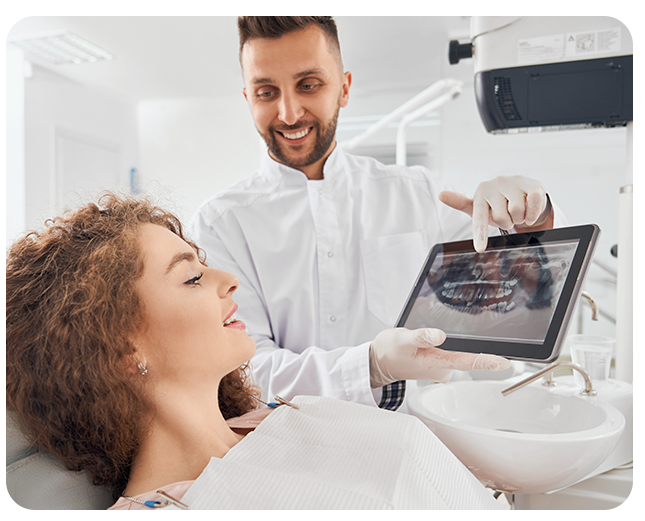

Digital Smile Design offers a unique combination of art and science, providing patients with unmatched benefits: DSD empowers you to be part of the design process, ensuring a smile that feels both beautiful and authentically you.
Once your new smile is achieved, maintaining it with proper care is essential: 📌 Your dentist will provide a tailored aftercare plan based on your specific treatments to help maintain your smile's beauty and function for years to come.
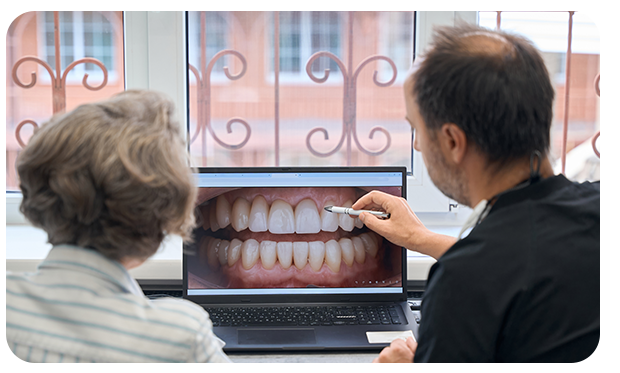
Digital Smile Design is more than a treatment—it’s a journey to discovering your best smile. 📍 At LHC Clinic, we offer cutting-edge technology and personalized expertise with Digital Smile Design to help you achieve the smile you deserve. 📍 Contact us to schedule your Digital Smile Design consultation and take the first step toward a naturally beautiful smile. 📍 For a confident, aesthetic, and digitally perfected smile, we welcome you to LHC Clinic!
Causes of Tooth Stains:
• Foods and drinks like coffee, tea, red wine
• Tobacco use
• Aging and enamel thinning
Whitening Methods:
• Professional in-clinic whitening treatments
• Over-the-counter whitening products (less effective for deep stains)
Professional methods offer faster, more noticeable, and longer-lasting results.
A healthy smile starts with a disciplined oral care routine. This routine should include:
• Brushing twice daily with a soft-bristled toothbrush and fluoride toothpaste
• Flossing once a day to remove plaque and food debris between teeth• Rinsing with an antibacterial mouthwash for added freshness and protection against
plaque
• Replacing your toothbrush every 3 months or sooner if the bristles are worn
Additionally, limiting sugary snacks and acidic drinks, staying hydrated, and attending
regular dental check-ups contribute to long-term oral health.
Teeth Grinding Habit: Its Relation to Stress and Solutions Teeth grinding, or bruxism, is closely linked to stress, anxiety, and tension. Solutions include: • Using a night guard • Stress-reduction practices (yoga, therapy, exercise) • Mindfulness techniques to become aware of daytime clenching Addressing the root causes of stress can significantly reduce grinding episodes.
Gum recession occurs when the gums pull away from the teeth, exposing roots and causing sensitivity. Treatment Options: • Deep cleaning (scaling and root planning) • Gum graft surgery in severe cases • Use of desensitizing toothpaste to manage symptoms Early treatment helps preserve gum health and prevent tooth loss.
Effects of Smoking on Oral and Dental Health Smoking adversely affects oral health by: • Increasing the risk of gum disease • Delaying healing after dental procedures • Causing bad breath and staining teeth • Elevating oral cancer risk Quitting smoking improves oral health and the success of dental treatments.